Gastas una fortuna en suplementos, pero tus músculos no crecen como esperas? Muchos en el gimnasio caen en la trampa de pensar que la clave está en la última proteína en polvo o en pastillas caras. Sin embargo, la verdad es más sencilla y, lo que es mejor, ¡gratuita! Ignorar este elemento básico te está costando resultados visibles y te deja sintiéndote sin energía. Descubre por qué tu cuerpo no puede construir músculo sin este ingrediente fundamental, sin importar cuánto entrenes.
¿Por qué tus músculos se niegan a crecer sin este elemento?
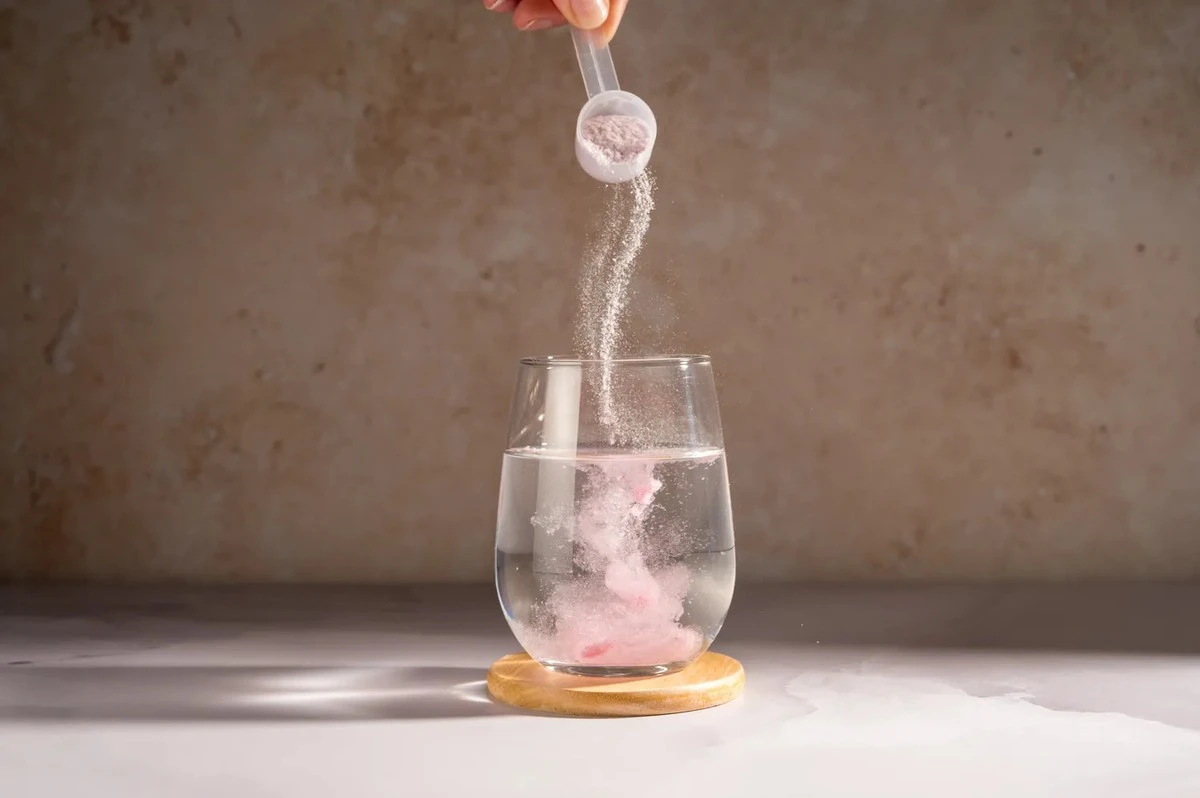
La imagen es familiar: after a tough set, guys and girls reach for a protein shake, creatine, or expensive amino acid drinks. It seems the whole industry has convinced us that the secret to muscle growth lies in colorful powders. Yet, ironically, most of these enthusiasts ignore the most important, cheapest, and powerful anabolic element – simple water. Latest research and physiological basics show a brutal truth: if you are dehydrated, your muscles physically cannot grow, no matter how much protein you consume. Water is not just a thirst quencher; it is a fundamental building block and transport system without which your workouts lose much of their effectiveness.
El secreto está en la hidratación: tu músculo es una mar de agua
First things first, it's important to understand basic biology, which we often forget. A human muscle is not a dry piece of meat; it's a tissue composed of about seventy-five percent water. Water plays a critical role in maintaining cell volume. Imagine the difference between a juicy grape and a shriveled raisin. A hydrated muscle cell is like a grape – it's big, full, and functioning. When the cell is full of fluid, it signals the body to begin protein synthesis, the process by which new muscle tissue is grown.
However, when fluids are lacking, the cell shrinks. This causes a catabolic state, where the body begins to break down muscle tissue for energy instead of building it. Besides, water is essential for maintaining the balance of all systems. It not only helps lubricate joints, acting as a natural shock absorber during heavy squats or presses, but also regulates body temperature. If your body lacks water, it cannot cool down effectively, causing you to tire faster, and an overheated body simply shuts down the ability to work at maximum capacity.
El combustible invisible: la conexión glicógeno-agua
One of the most important, yet least understood aspects is water's role in energy storage. Muscles get energy from glycogen, which is stored in the form of carbohydrates. But here's the crucial detail – glycogen cannot be stored dry. For every gram of glycogen stored, your body needs about three to four grams of water. This means that if you don't drink enough fluids, your muscles physically cannot store enough energy reserves.
The result is twofold. Visually, muscles appear "flat" and small because they lack sufficient fluid and glycogen volume. Functionally, you feel weak. Without adequate water, nutrients like glucose and amino acids cannot be efficiently transported to muscle cells. You can eat the best food in the world, but without water – which acts as the highway for these substances – the building materials simply won't reach the construction site. Dehydration directly hinders strength gains and endurance, as the body switches to survival, not growth, mode.
La fatiga que podrías haber evitado
Often, athletes complain that halfway through a workout, their strength suddenly disappears, they start feeling dizzy, or they get tired. Lack of sleep or a tough workday is often blamed, but the real culprit is often simple dehydration. Lack of fluids thickens the blood, forcing the heart to work harder to supply muscles with oxygen. This leads to faster fatigue and reduced energy, which could have been easily avoided by simply drinking water regularly.
Also, we must not forget about the health of the digestive system. The high protein intake that muscle-building individuals consume places a burden on the kidneys and digestive tract. Water helps the kidneys filter waste and toxins, and the intestines to efficiently absorb food. Without water, a high protein intake can cause constipation and general body intoxication, which certainly doesn't help achieve athletic results.
La regla de oro: la estrategia de los 100 y 200 mililitros
The natural question arises: how much and when to drink? Chugging a liter of water right before a workout isn't a good idea, as you'll feel bloated and hear the sloshing of fluid in your stomach. There is a scientifically based method that helps maintain optimal hydration levels throughout the entire load.
It is recommended to drink about one hundred milliliters of water approximately half an hour before training. This prepares the body for work but does not overload the stomach. During training, the rule is simple but strict – every ten to twenty minutes, you should drink two hundred milliliters of water. This is about half a standard glass or a few large gulps. Such a constant supply of fluids allows the body to optimally absorb water, maintain blood volume, and ensure that muscle growth processes do not stop for a single second. Remember that thirst is already a late signal – if you feel thirsty, your physical capacity has already decreased. Therefore, drinking must be a disciplined part of the workout, just as important as lifting weights.
Disclaimer: This material is for educational purposes only and does not constitute medical advice. The information is intended to familiarize you with possible symptoms, causes, and diagnostic methods of diseases, but should not be used for self-diagnosis or self-treatment. KAIPKADA.LT is not responsible for diagnoses made based on the website's material. If you have health problems, be sure to consult a qualified doctor.